Miles Franklin 2025 Logo
0
$0.00 0 items

No products in the cart.

LoginCreate account
CALL TO ORDER +1-952-929-7006
SUBSCRIBE TO OUR WEEKLY REPORT
Minnesota is the only state in the U.S. that licenses and regulates the otherwise federally unregulated precious metals industry and Miles Franklin is proud to be fully compliant.
What is a Precious Metals IRA? Broaden Your Portfolio Beyond Traditional Financial Markets
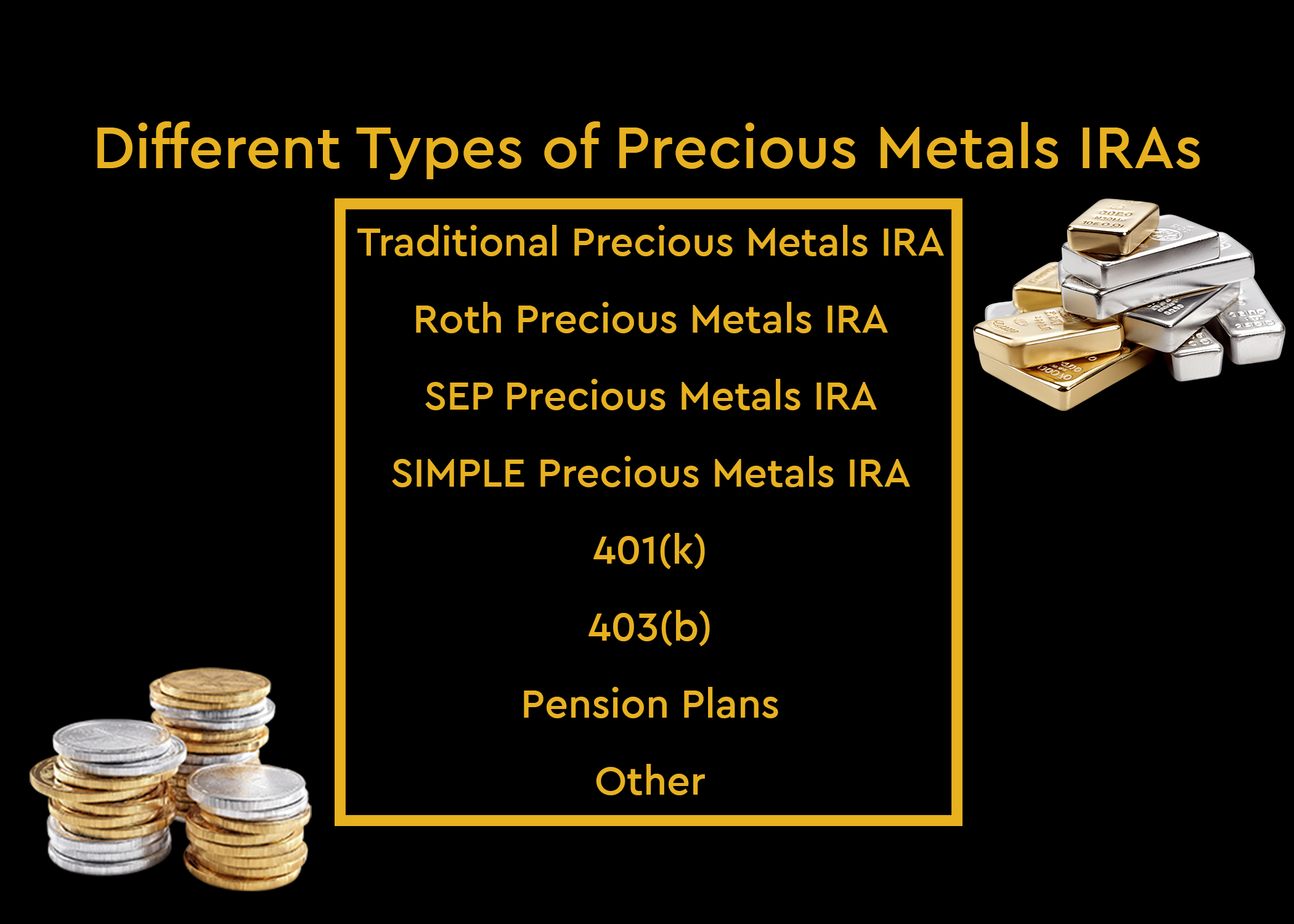
A self-directed precious metals IRA is a retirement account that gives you greater control over how your money is invested. Unlike traditional IRAs that limit you to stocks, bonds, and mutual funds, a self-directed IRA allows you to diversify into alternative assets—including physical precious metals such as gold, silver, platinum, and palladium. This expanded flexibility makes it an attractive option for investors looking to broaden their portfolios beyond the traditional financial markets.
With a precious metals IRA, you can own IRS-approved bullion that meets strict purity standards, while still enjoying the same tax advantages as a traditional or Roth IRA. Depending on the account type you choose, your investments can grow tax-deferred or potentially tax-free. The metals are securely stored in an approved depository on your behalf, ensuring compliance with federal regulations while protecting your assets. For investors seeking diversification, inflation protection, and tangible asset ownership within a retirement account, a self-directed precious metals IRA can be a strategic long-term solution.

What Is a Custodian in a Precious Metals IRA?

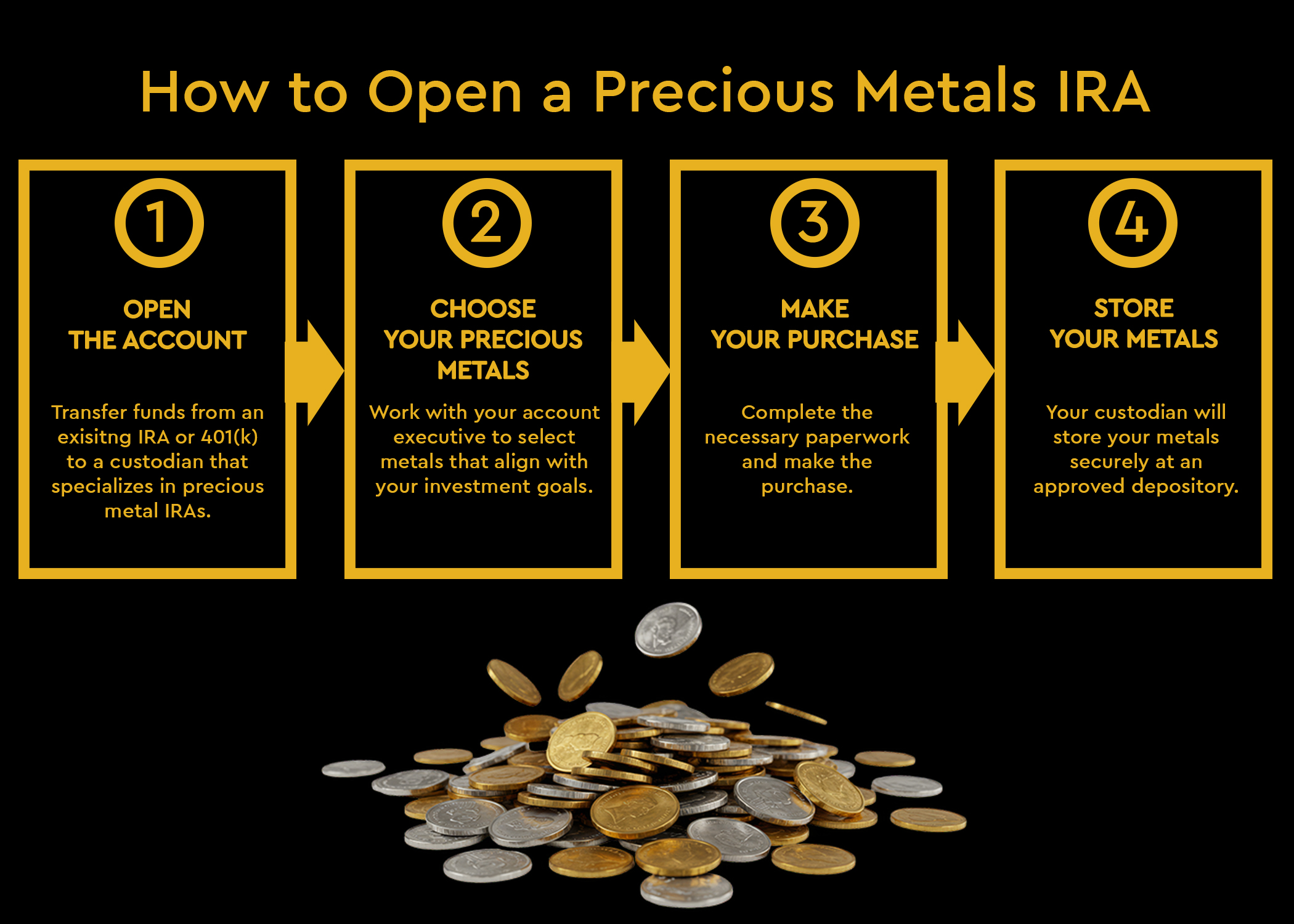
A custodian is a financial institution authorized by the IRS to hold assets in an IRA. For a Precious Metals IRA, the custodian must manage the paperwork, ensure regulatory compliance, and coordinate with a depository (where the metals are stored) and a precious metals dealer (Miles Franklin).

Key Features of a Self-Directed IRA:

  • Custodian Required: While the account holder has more control over investments, they must still work with a custodian who administers the account and ensures compliance with IRS rules. The custodian does not provide investment advice, but they facilitate transactions.
  • Wide Investment Range: Unlike traditional IRAs, which are limited to more conventional investment options, a Self-Directed IRA allows alternative investments such as precious metals.
  • Tax Benefits: Like other IRAs, a Self-Directed IRA offers tax advantages, such as tax-deferred growth for traditional IRAs or tax-free growth for Roth IRAs.
  • Due Diligence: The account holder must do their own research, as the custodian does not advise on investments or provide fiduciary guidance. An advantage of partnering with Miles Franklin is that your broker can provide some guidance. The final investment decision is ultimately left to the account holder.

Choosing Your Custodian

Choosing a custodian for a Precious Metals IRA (Individual Retirement Account) is a critical decision, as it involves safeguarding your retirement assets and ensuring IRS compliance. Here's a guide to help you choose the right one:

Key Factors to Consider When Choosing a Custodian

1. IRS Approval
Ensure the custodian is IRS approved to administer self-directed IRAs. Not all financial institutions qualify.

2. Experience with Precious Metals
Choose one that specializes in or has strong experience with precious metals IRAs. Traditional IRA custodians may not handle physical assets like gold or silver.

3. Fee Structure
Fees vary significantly:

  • Account setup fee: $25–$50
  • Annual Custodial Fee: $75–$300+
  • Storage fees: flat rate or percentage of assets

4. Customer Service & Reputation

5. Buy/Sell Process

Choose Your Precious Metals

For a self-directed precious metals IRA, the IRS is very specific about what metals qualify. It’s not about the type of metal alone—it’s about purity standards and approved forms (coins/bars). The key factor in the choice of metal should be strict compliance with these IRS guidelines. Make sure you have complete transparency with regards to prices and the selection of your metal. RED Flags to be aware of are fractional coins (1/4oz, 1/2oz, 1.25oz, etc…), collectables or premium coins, and offers of free silver dependent on the size your order.

IRA Approved Metals:

Precious Metals IRAs, also known as Self-Directed IRAs, allow you to hold specific types of precious metals as part of your retirement portfolio. However, not all precious metals qualify for inclusion in these accounts. The IRS has set specific standards for the types of metals and their purity levels. Here are the metals that are approved:
  • Gold: Must be at least 99.5% pure (24 karats).
  • Silver: Must be at least 99.9% pure.
  • Platinum: Must be at least 99.95% pure.
  • Palladium: Must be at least 99.95% pure.

Storage

To preserve the tax-advantaged status of your retirement account while investing in precious metals, your assets must be stored at an approved precious metals depository. The IRS does not permit SDIRA holders to take personal possession of metals owned by their self-directed IRA.

When you purchase physical precious metals through a self-directed IRA, your IRA custodian doesn’t store the metals itself — it works with secure, IRS-approved third-party depositories that meet strict regulatory, insurance, and security requirements. When choosing a depository, several factors should be considered, including geographic location and the specific storage options each facility provides. You can choose between two primary storage options: allocated (non-segregated) or segregated storage.

Allocated storage—also called non-segregated or commingled storage—means your metals are stored alongside metals belonging to other investors. While you may not receive the exact same bars or coins you originally purchased, you are guaranteed metals of the same type, weight, and hallmark. Because this method is operationally simpler for the depository, it typically involves lower storage fees.

Segregated storage, by contrast, keeps your metals physically separate from those of other account holders. Although this option generally comes at a higher cost, it ensures that you receive the exact coins or bars originally purchased for your account. The specific metal you purchase will be tagged to your account, stored separately, and not mixed with other investors’ holdings. When you take a distribution (either in-kind or liquidated), you receive the exact same items originally purchased — same serial numbers, same coins, same bars.

What to Look for in a Precious Metals Depository

1. IRS Approval
Only choose depositories that are IRS-approved to hold metals for IRAs.

2. Segregated vs. Non-Segregated Storage

3. Security & Insurance
Ensure the depository has:

  • 24/7 surveillance, biometric access, and armed guards
  • Class 3 vaults or better
  • Comprehensive insurance, underwritten by reputable firms (e.g., Lloyd's of London)

4. Geographic Location

  • U.S.-based facilities: Often required for IRA metals (Delaware, Texas, Utah, etc.)
  • Some offshore options exist, but not for IRAs

5. Transparency & Auditing

  • Third-party audits at least annually
  • Regular reporting available to you and your custodian

6. Reputation and Longevity

  • Established history (10+ years preferred)
  • Positive reviews from IRA custodians and customers

7. IRA Custodian Compatibility
Some depositories have exclusive relationships with IRA custodians. Confirm that your chosen IRA custodian works with the depository you’re considering.


Learn More About Gold IRAs

Miles Franklin 2025 Logo

Hours of Operation

Monday - Friday
9 AM - 6 PM EST
Saturday & Sunday
By Appointment Only
Call to Order
+1-952-929-7006
© Miles Franklin. All rights reserved. | [Privacy Policy] | [Terms and Conditions]
chevron-down